
[ MODULE_07 / MARKET_DIRECTION ]
Long. Short. Two directions. One principle.
Trading Foundations #3 — Long vs Short (The Two Directions of the Market)
INITIAL_CONDITION
Most beginners think trading is only about one thing:
Buying… and waiting for the price to go up.
But that’s only half the story.
THE_CORE_IDEA
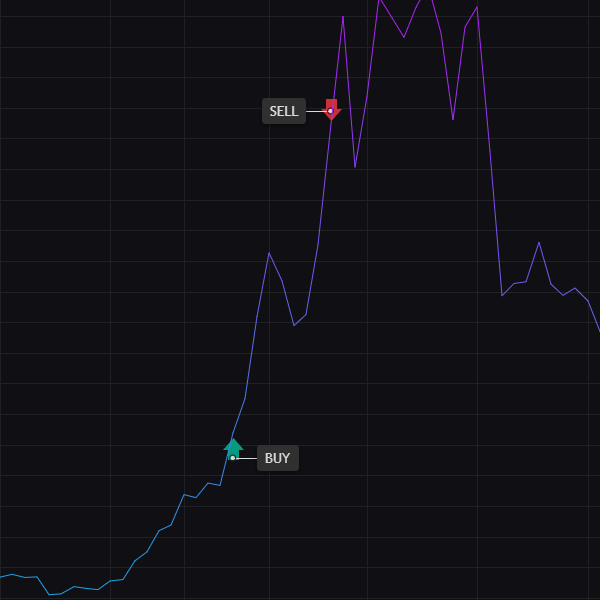
In reality, the market is a two-way street.
→ You can make money when the price goes up.
→ And you can make money when the price goes down.
LONG_POSITION
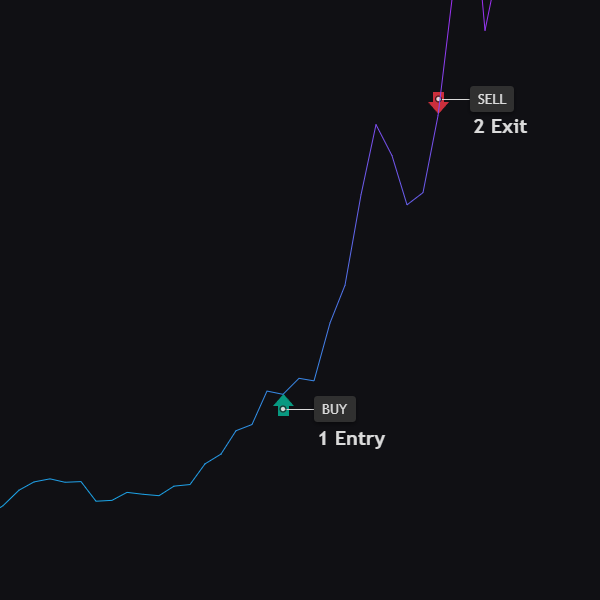
The first direction is simple. It’s called a Long position.
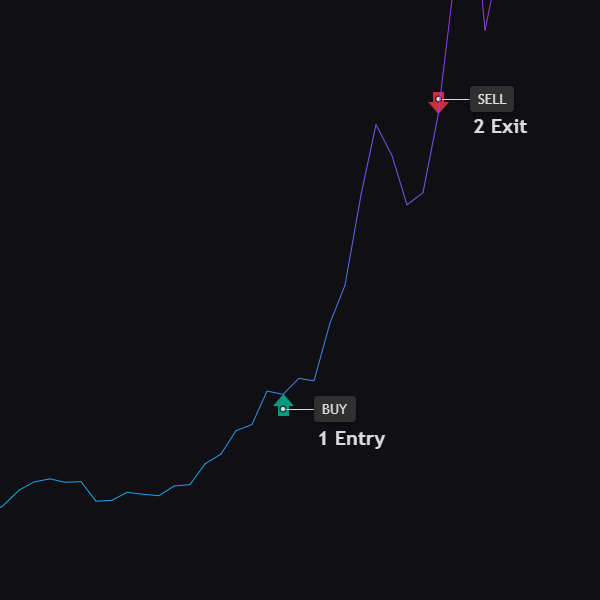
→ You buy an asset at a lower price
→ And sell it later at a higher price
Buy low → sell high.
This is the classic model everyone understands.
SHORT_POSITION
But there is a second direction. And this is where it gets interesting.
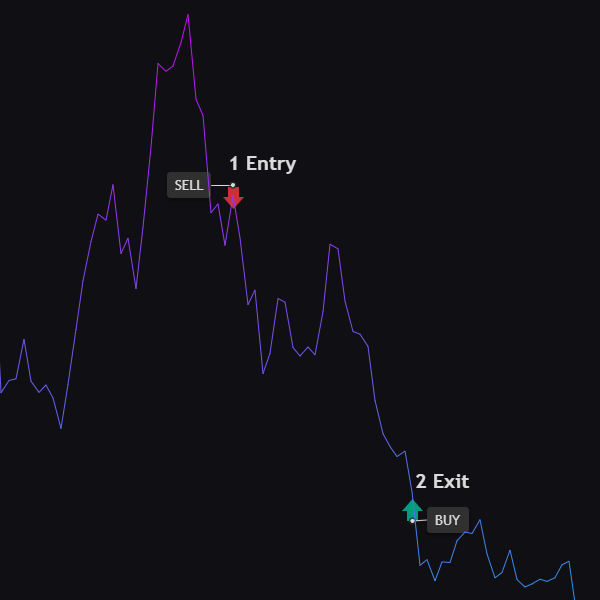
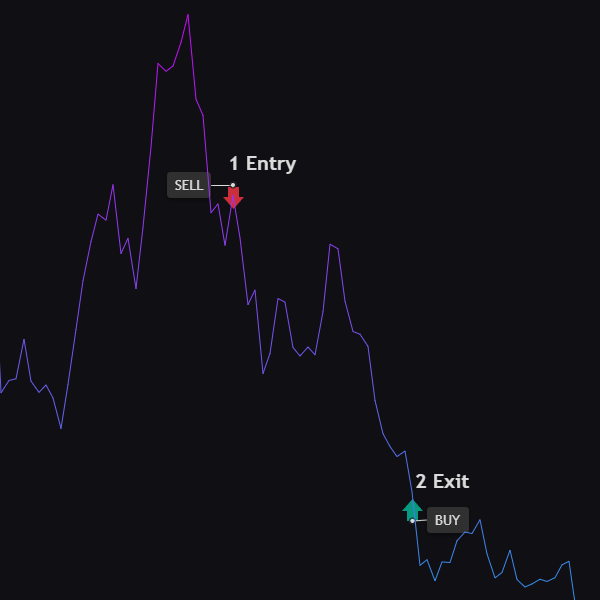
It’s called a Short position.
This is how you profit when the market goes down.
SYSTEM_EXAMPLE
Let’s break it down with a simple example.
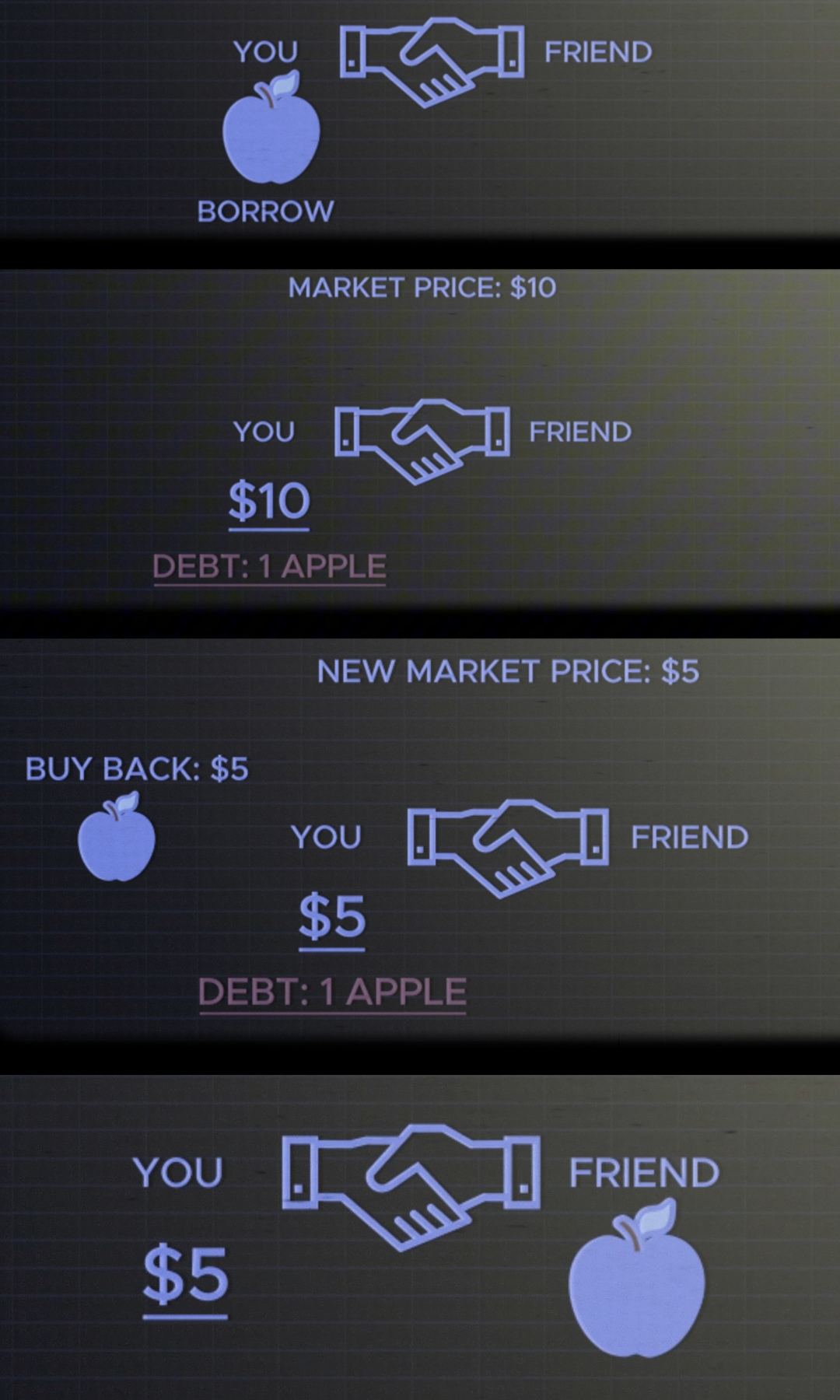
Imagine you borrow an apple from a friend.
You immediately sell it on the market for $10.
Now you have $10 in your pocket — but you owe your friend one apple.
Then the price drops.
→ You buy that same apple back for only $5.
→ You return the apple to your friend.
And you keep the $5 difference.
👉 That is your profit.
CORE_LOGIC
Notice what happened:
→ You sold something you didn’t even own.
→ And you made money because the price went down.
In a Short, you return the asset — not the money. The cheaper it becomes, the less it costs you to close the position.
SYSTEM_RULE
This is how real markets work. You are not limited to growth.
A falling market is just another opportunity.
At the core, nothing changes.
You are still working with one principle:
→ Price difference.
Whether you are Long or Short — you are capturing the delta between two points in time.
A trader is not looking for markets that only rise.
A trader is looking for opportunity.
ACTION_REQUIRED
Understand both directions. Ignore personal bias. Follow price.
LONG_SHORT_SIMULATOR
NEXT_PHASE
Knowing the direction is not enough.
Every trade still needs one thing:
A way to measure its result.
In the next module, we'll build the core formula behind every trade.
