
[ MODULE_03 / CAPITAL_FLOW ]
Where your money is. How it moves. How it is used.
How Money Works Inside a Trading Platform (Deposits & Accounts Explained)
INITIAL_CONDITION
Access is established.
But capital inside the system is not a single balance.
COMMON_FAILURE
Most beginners make the same mistake – they fund their account and immediately go to the trading terminal. It feels like that’s enough.
But your funds don’t automatically appear in trading.
You need to understand how money actually moves inside the system.
And this is where mistakes begin.
DEPOSIT_LOGIC
First, let’s understand where your money actually is.
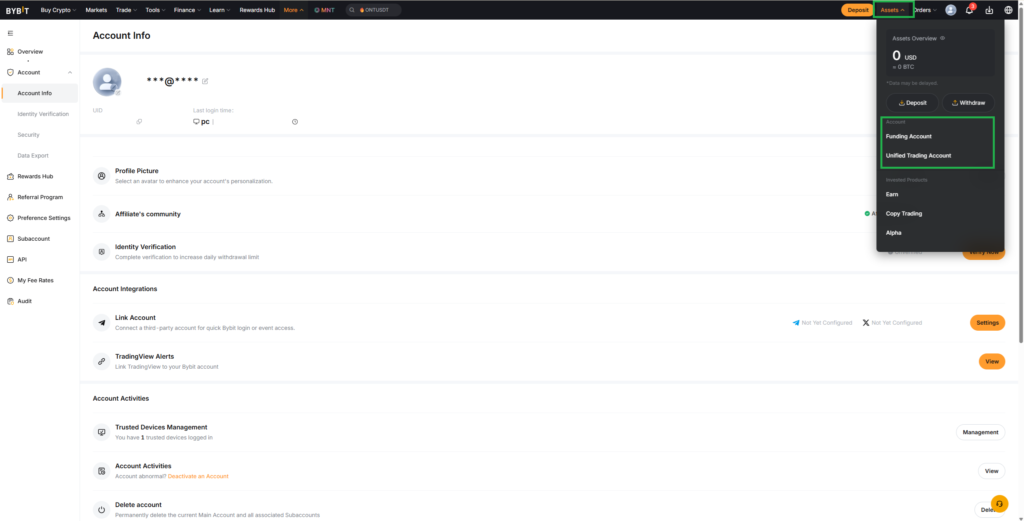
Go to the top right panel → Assets → Account.
Here you’ll see two main accounts – Funding Account and Unified Trading Account.
Important. Your funds are separated between these accounts, and each one serves a different purpose.
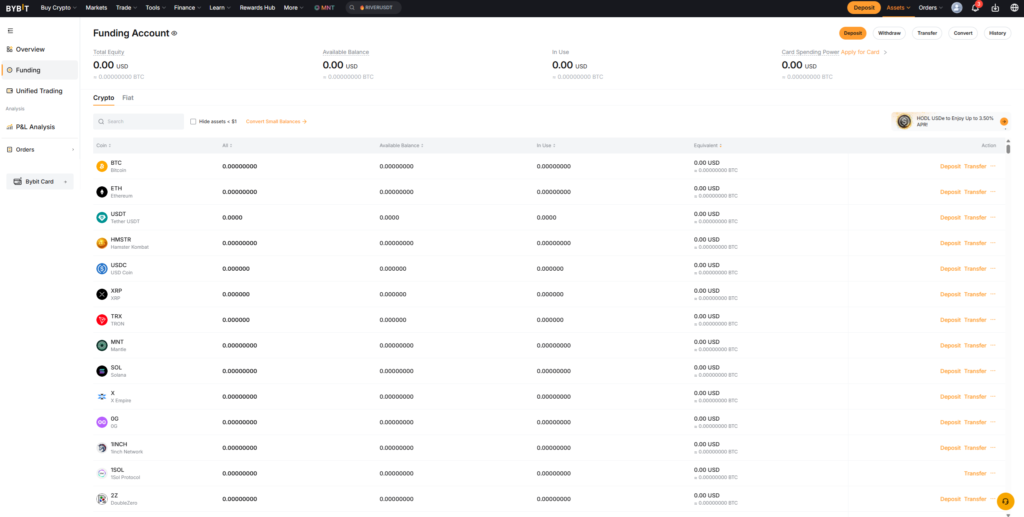
Let’s start with the Funding Account.
The easiest way to think about it, it’s your main wallet inside the exchange or a “vault” where your funds are stored.
Key Functions:
→ Entry & Exit Point.
All deposits go here, P2P purchases are credited here, withdrawals are made from here.
If you want to withdraw funds, they must be in this account.
→ Safety Buffer.
Funds in the Funding Account are not used for trading. If you trade with leverage and your position gets liquidated — only your trading account is affected.
Funds in Funding remain untouched.
→ Platform Tools.
This account is also used for staking, investment products, other platform services.
What You Can Do Here.
→ deposit & withdraw (crypto and fiat)
→ convert assets
→ transfer between accounts
→ move funds to your trading account
*You can also access History to track all transactions.
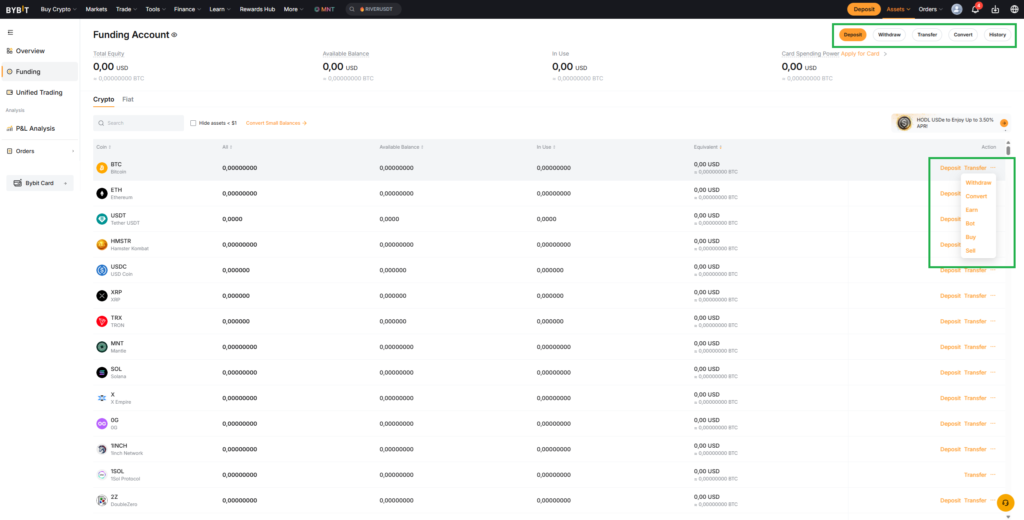
Important. Internal transfers between your accounts are fee-free.
Now let’s talk about funding your account.
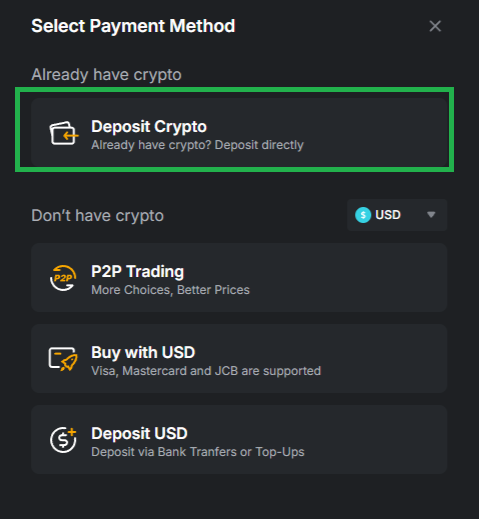
Depending on your country, different options will be available – crypto and fiat. The platform automatically shows the available methods based on your region.
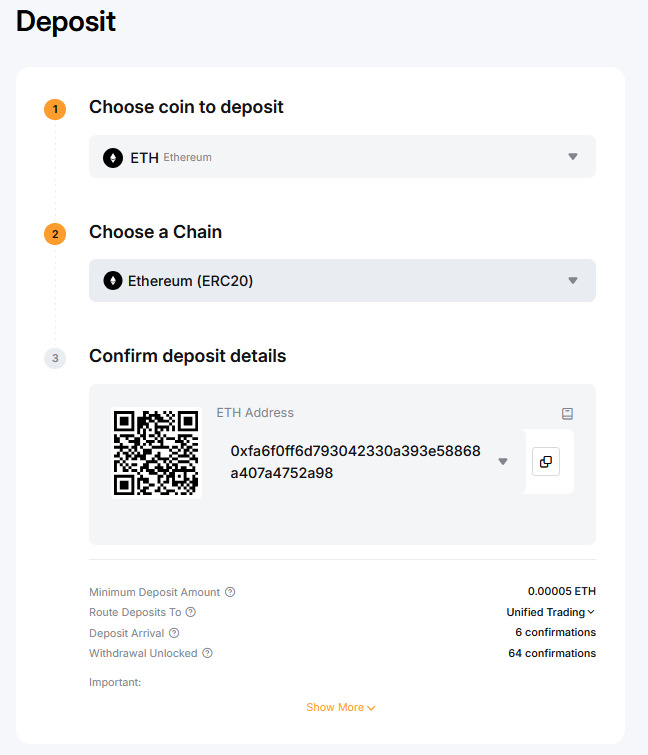
If you deposit crypto. Select the asset, choose the correct network, copy the address, send your funds.
Important. Choosing the wrong network can result in permanent loss of funds. Always double-check before sending.
P2P_RISK
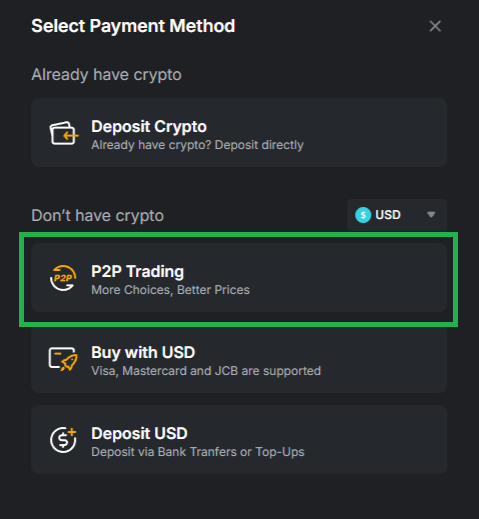
We also need to talk about P2P.
It’s a popular way to buy crypto, but you need to understand this.
You are not dealing with the exchange, you are dealing directly with another user.
This means higher risk. P2P is often targeted by scams.
Disputes and frozen funds can happen, banks in many countries treat these transactions as suspicious and may restrict or block accounts.
Because of this, it is strongly recommended to avoid using P2P or only use it if you fully understand the risks.
If you still choose to use it – work only with verified counterparties, check ratings and history carefully, never move communication outside the platform.
TRADING_ACCOUNT
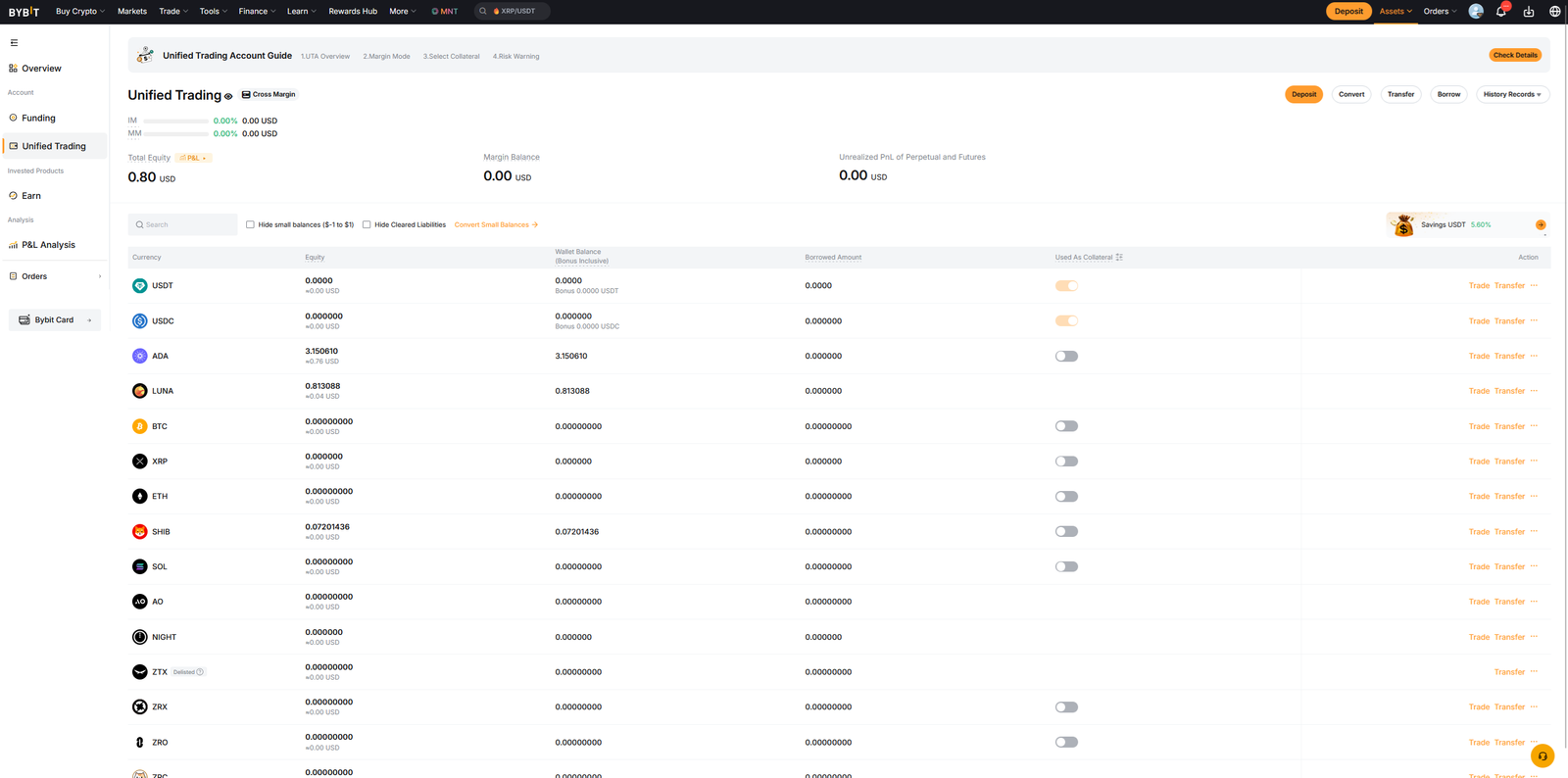
Now let’s move to the core — the Unified Trading Account.
This is your main trading account.
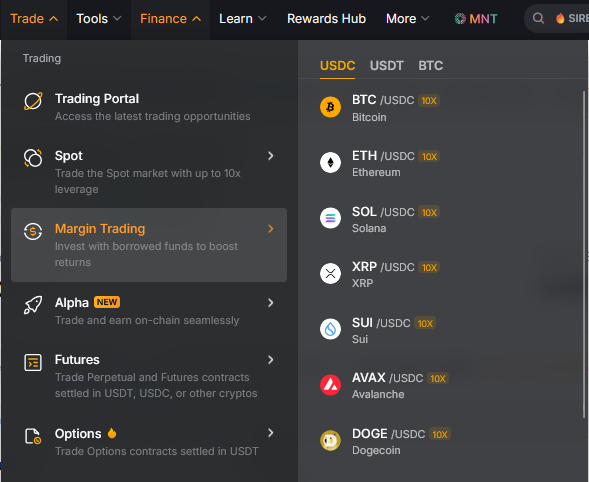
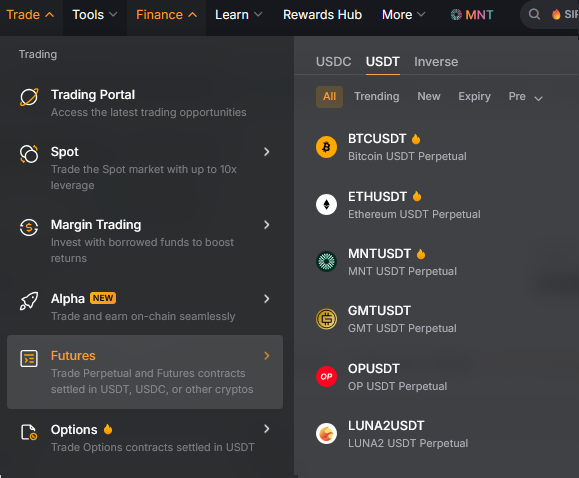
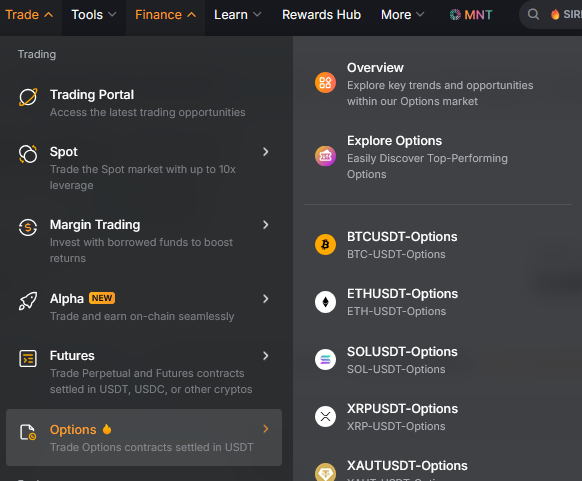
This is where all trading happens- spot, margin, futures, options.
What makes it different – It’s a unified system where your assets can be used as collateral.
In simple terms, you don’t need separate balances for each trade.
The system calculates your total balance and allows you to use it across products.
TRADING_TYPES
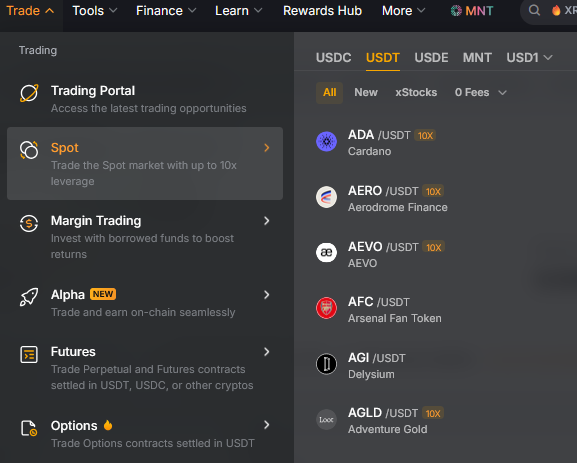
Inside this account, you have different trading types.
Spot. You buy the actual asset. No leverage, no liquidation, lowest risk.
Best place to start.
Margin. You borrow funds to trade. Larger position size, introduces liquidation risk.
Futures. You trade contracts, not the asset itself. Profit from both up and down moves, uses leverage, higher risk.
Options. This is advanced trading. It’s not just about direction — it’s about volatility, timing, and probability. This is where professional-level strategies begin. This is covered in a separate dedicated module.
Recommendation- Start with Spot, and only move to advanced tools later.
RISK_MODEL
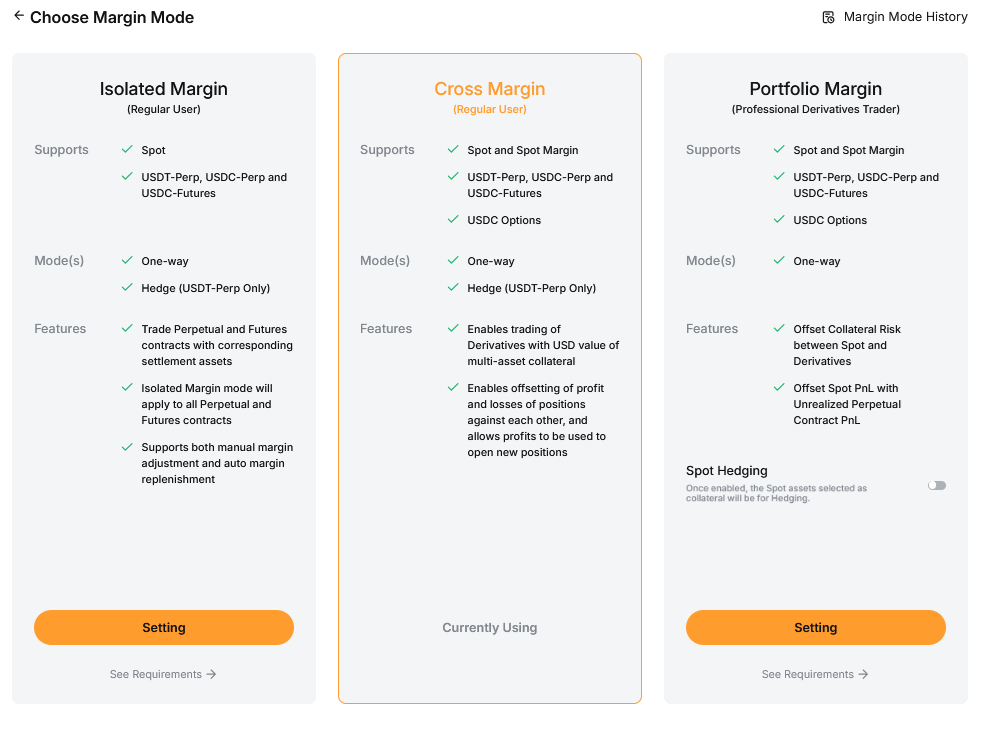
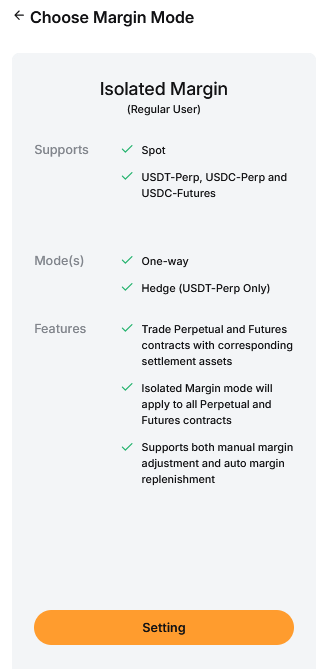
It’s also important to understand that there are different margin modes. Within the Unified Trading Account, there are three – Isolated Margin, Cross Margin, Portfolio Margin.
By default, the system uses Cross Margin.
What’s the difference.
Isolated Margin. Each position has its own allocated risk, losses are limited to that specific trade. Safest option for beginners.
Cross Margin. Uses your entire account balance as collateral, risk is shared — but mistakes can affect everything.
Portfolio Margin. Advanced risk calculation system for experienced traders with larger capital.
Important. The selected margin mode applies to your entire account, not individual trades.
Recommendation – at the beginning, use Isolated Margin to control risk and protect your capital.
SYSTEM_REALITY
Capital location defines control.
Misplaced funds → execution errors.
Misunderstood structure → risk exposure.
Now you understand – where your money is, how it moves, and how the system is structured.
NEXT_PHASE
Capital is ready. Now — the interface.
A quick overview of the trading workspace and its core elements.
