
[ MODULE_10 / THE_ORDER_BOOK_&_LIQUIDITY_DEPTH ]
Understanding the internal structure of the market. How bids and asks interact, where price comes from, and the mechanics of liquidity consumption.
Trading Foundations #6 — The Order Book: How the Market Really Looks
INITIAL_CONDITION
You’ve learned orders.
But where do those orders actually go?
👉 What does the market look like from the inside?
CORE_IDEA
All orders are collected in one place:
👉 The Order Book
This is the real market.
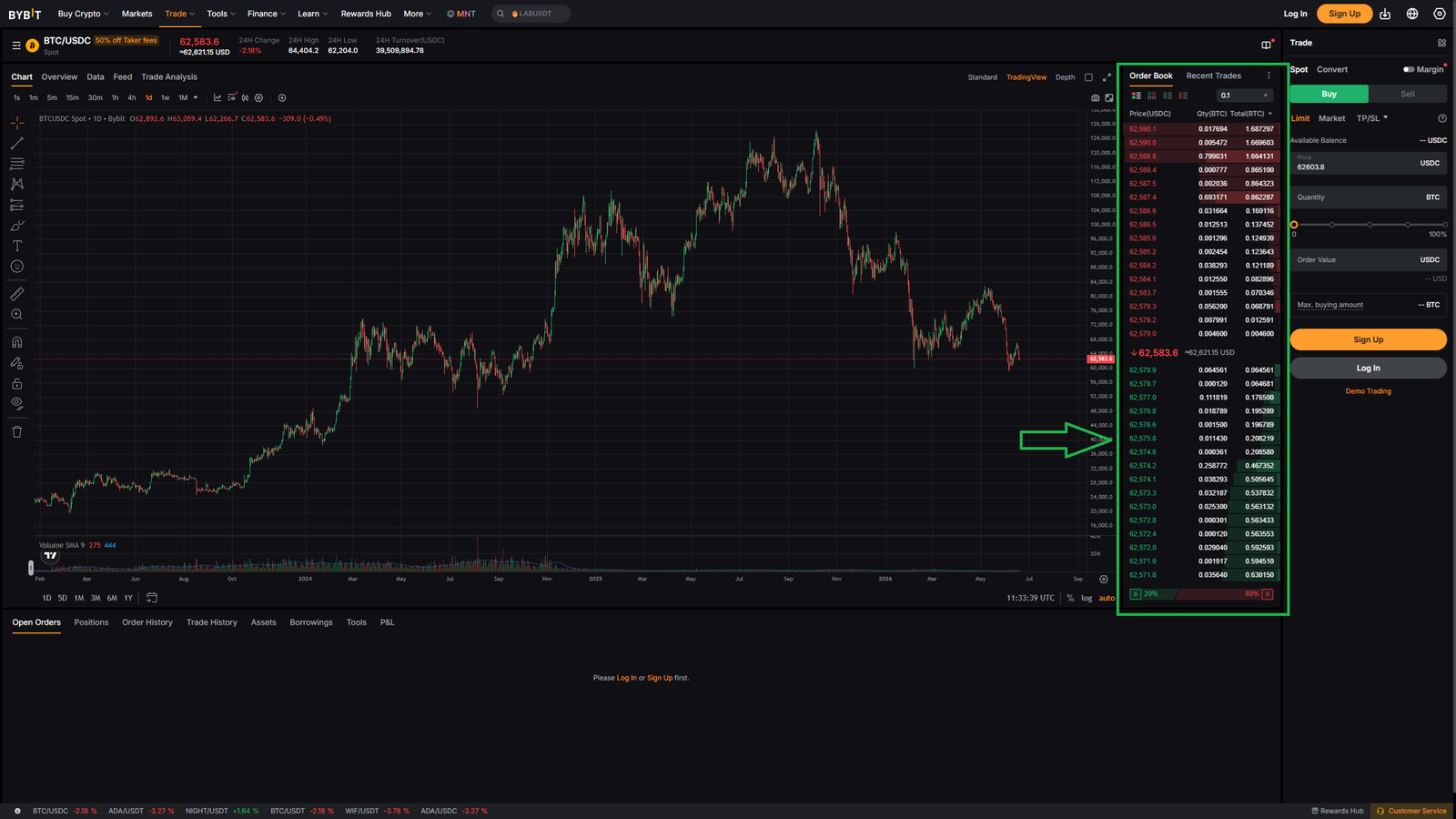
STRUCTURE
The Order Book is split into two sides:
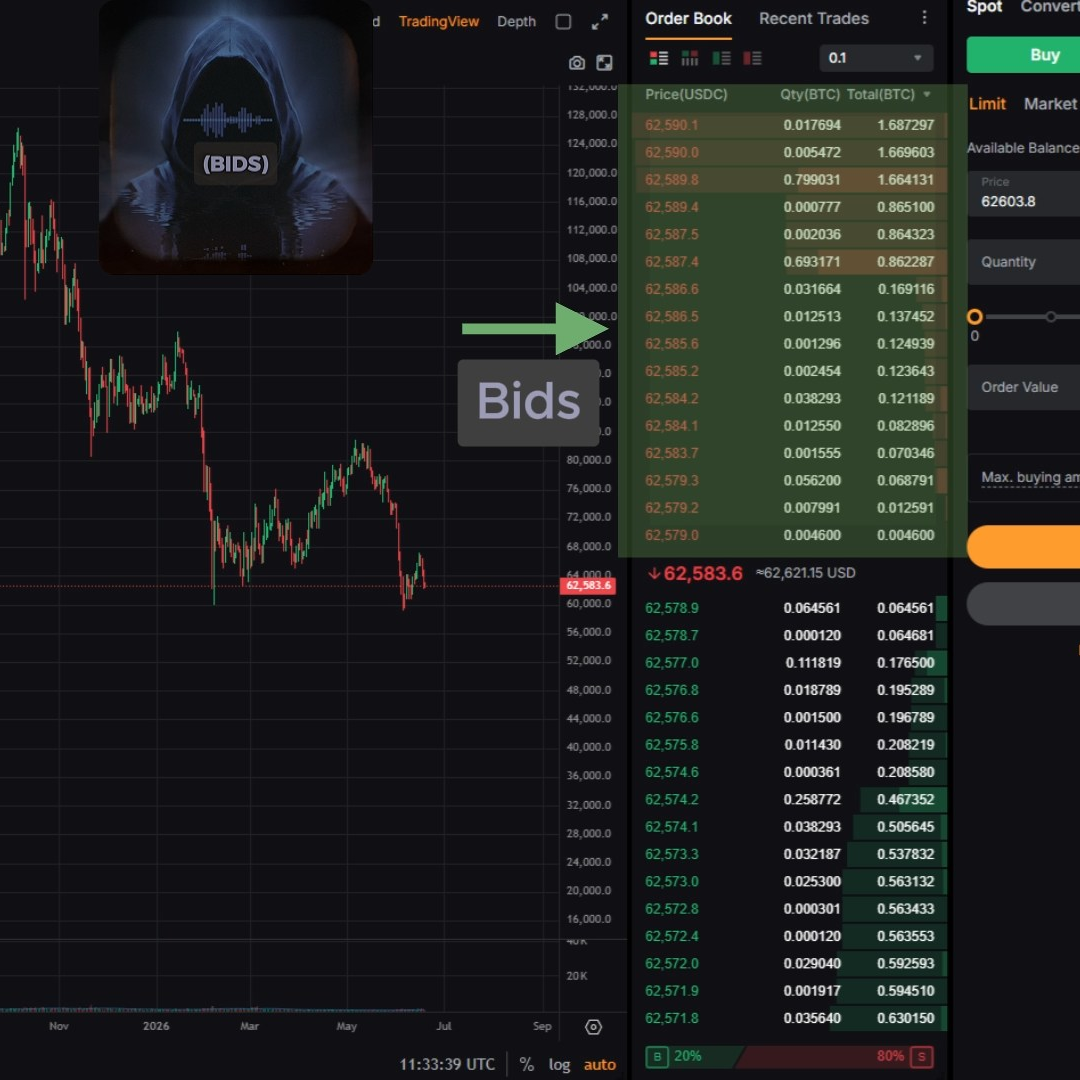
👉 Buyers (Bids)
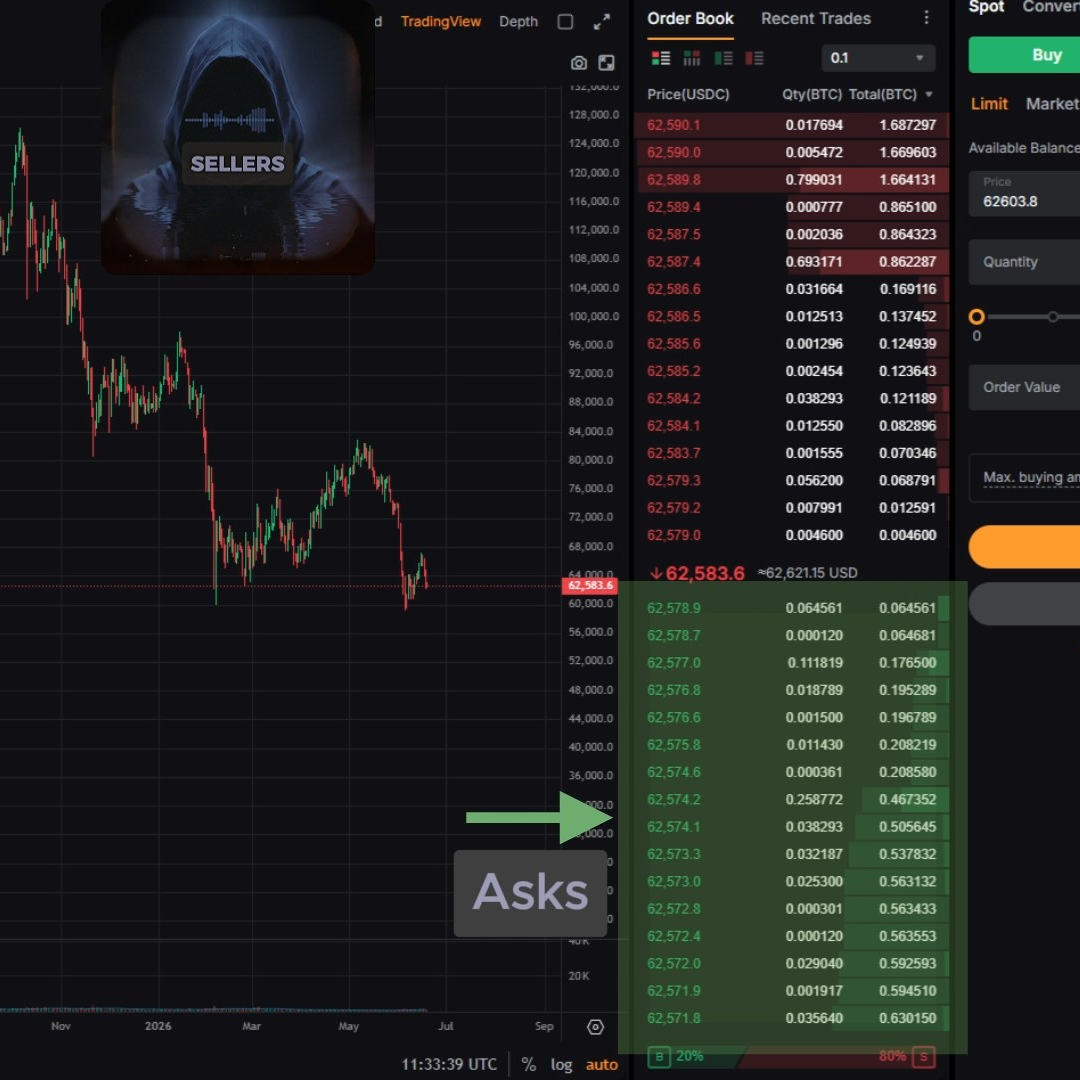
👉 Sellers (Asks)
Bids = people who want to buy
Asks = people who want to sell
Each level shows:
👉 Price
👉 Volume (how much is available)
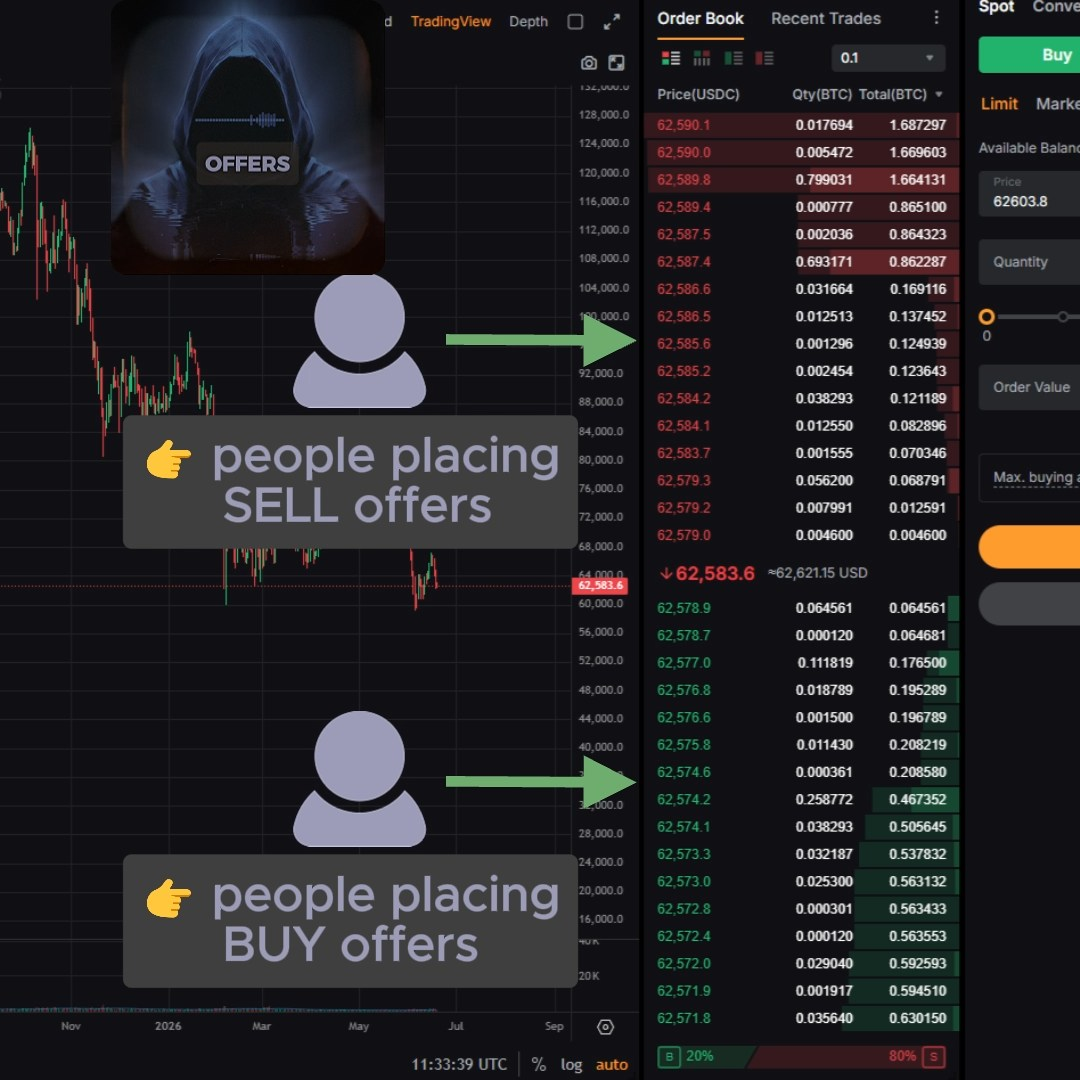
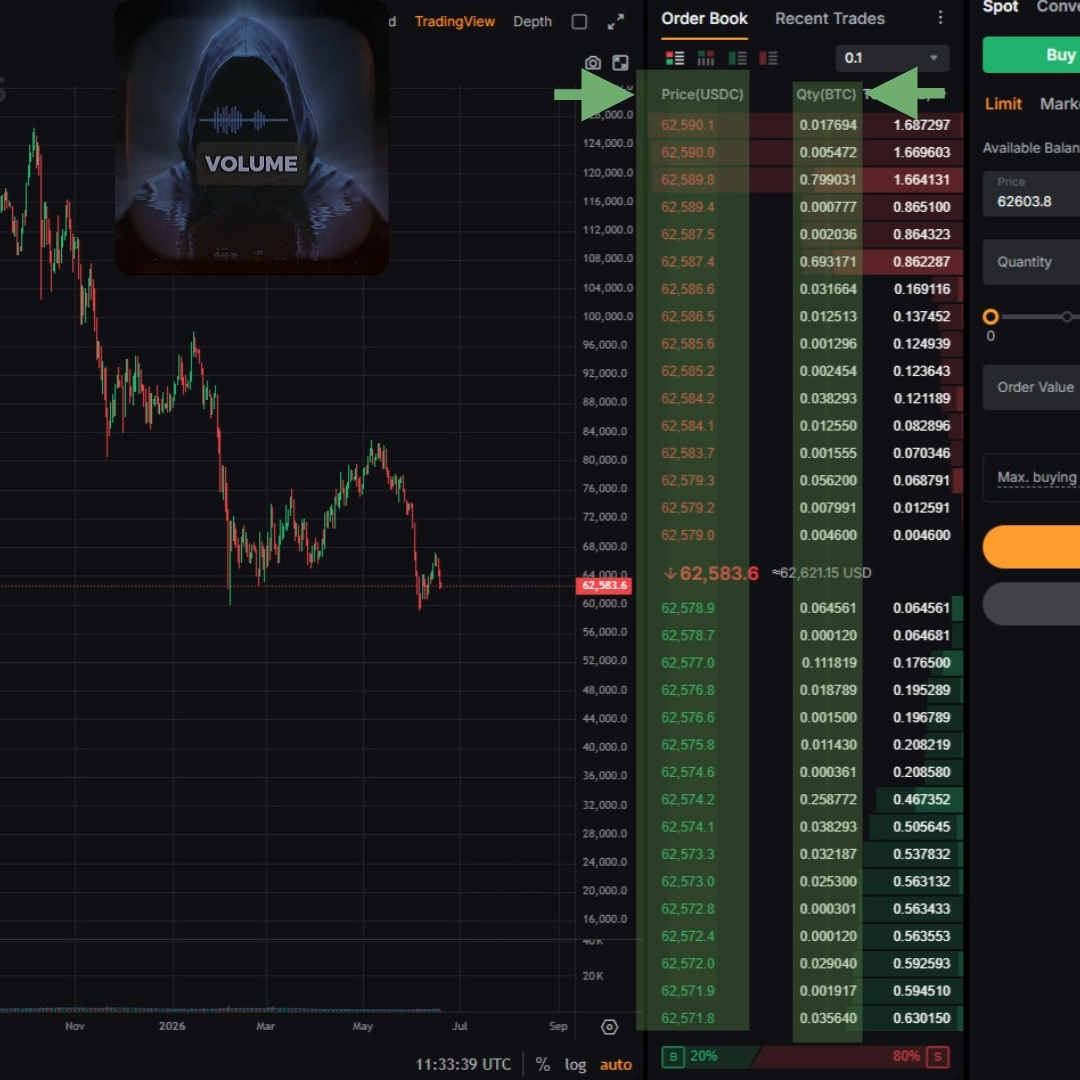
Think of it like a live marketplace.
On one side:
→ people placing buy offers
On the other:
→ people placing sell offers
The closer these two sides get — the more likely a trade happens.
WHERE_PRICE_COMES_FROM
Price is not random. It is the last agreed trade between a buyer and a seller.
When a Market Order hits:
👉 it matches with existing orders and a trade happens that becomes the new price
LIQUIDITY_IN_ACTION
Now connect this to what you learned:
👉 Limit Orders sit in the book. They create liquidity.
👉 Market Orders hit the book. They consume liquidity.
This interaction is what moves price
SPREAD_&_CONSUMPTION
There is one more important detail:
– The Spread –
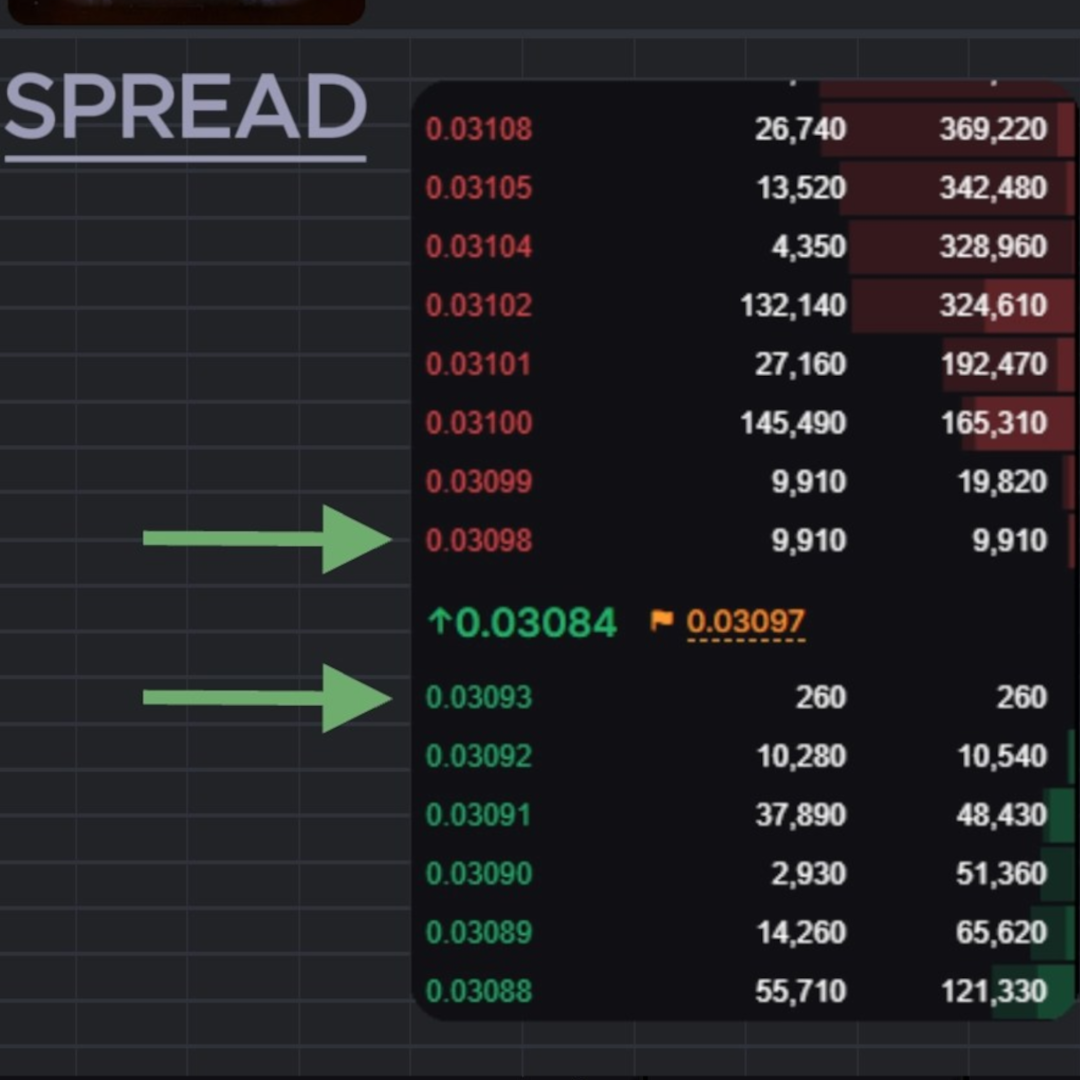
Between the best buyer and the best seller, there is always a gap. This gap is called the Spread.
That’s why sometimes you buy at a slightly higher price than what you see on the chart
Now think of price movement like this:
👉 Market Orders start “eating” available orders
If buyers are aggressive:
→ they hit the available sellers level by level
→ this is called consumption of liquidity
→ when sellers get “eaten”, price moves up
If sellers are aggressive:
→ they hit the buyers
→ price moves down
Price moves when liquidity gets consumed.
And this brings us back to the bigger picture:
how orders interact and create movement.
DEPTH
The Order Book also shows depth.
👉 how much volume is available at each level
If there is a lot of volume:
→ price moves slower
If there is little volume:
→ price moves faster
→ this is why markets sometimes move violently
THE_KEY_IDEA
So now you see:
→ orders are not abstract
→ they exist in the market
→ they interact and create movement
Everything you trade — comes down to this interaction.
The market is not random. It is driven by orders and the way they interact.
[ ENGINE_SIMULATION: ORDER_BOOK_MECHANICS ]
[ ENGINE_SIMULATION: ORDER_BOOK_MECHANICS ]
Interactive model of order matching and liquidity consumption.
NEXT_PHASE
Now we take one more step closer to reality.
Because trading is not free.
👉 There are costs you don’t always see at first glance.
The next module explains:
→ fees
→ slippage
→ hidden costs
